Description
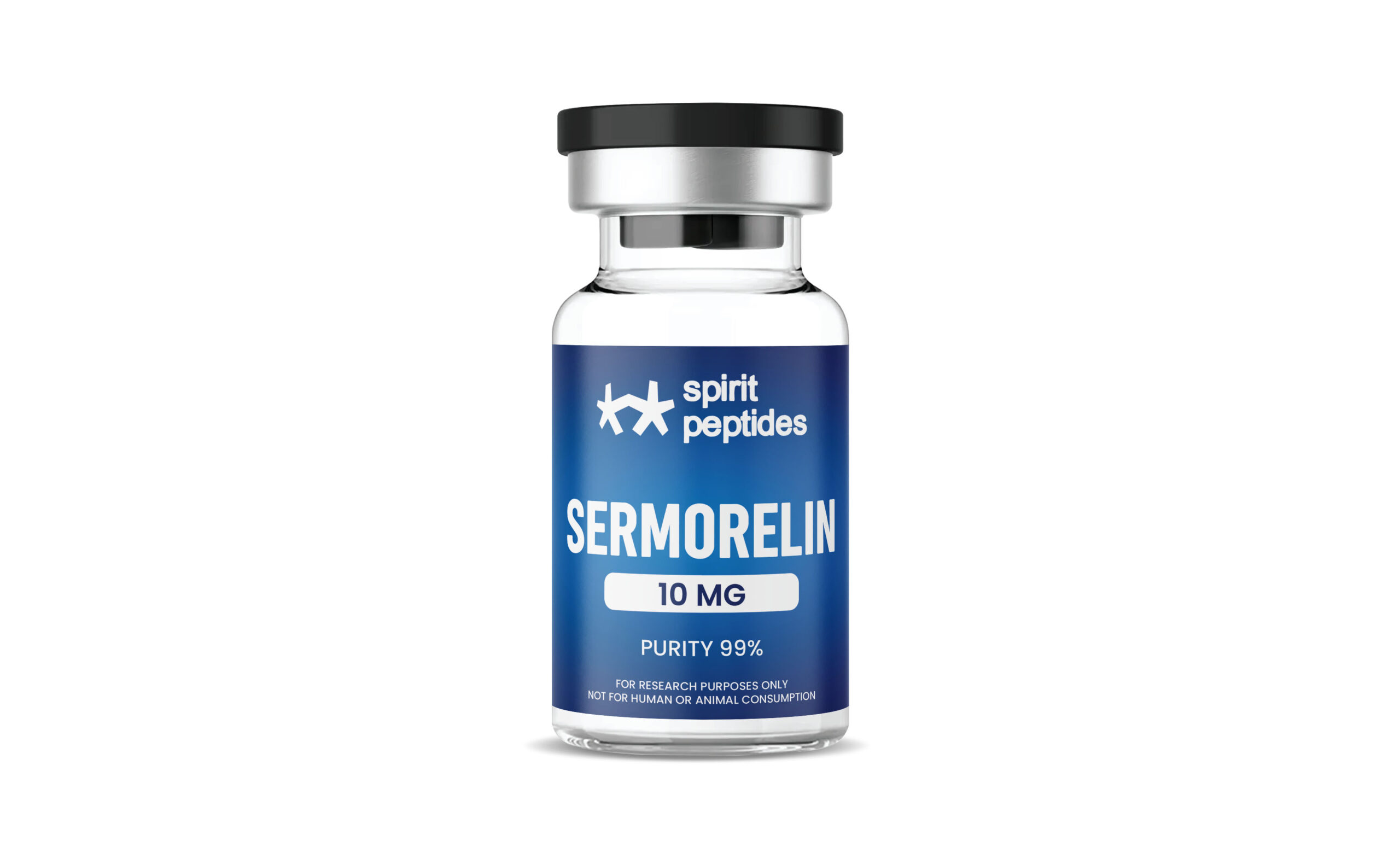
Sermorelin 10 mg
Sermorelin 10 mg is a synthetic growth hormone–releasing hormone (GHRH) analog, and scientists compose it using the first 29 amino acids of endogenous GHRH. In laboratory and biochemical research, scientists utilize it to investigate the regulation of the somatotropic axis. And the signaling mechanisms involved in growth hormone (GH) secretion. Due to its defined peptide structure and high analytical purity, researchers widely apply Sermorelin in endocrine and metabolic pathway studies.
Researchers primarily use Sermorelin to evaluate its interaction with pituitary somatotroph cells. Where it binds to GHRH receptors and activates intracellular cyclic adenosine monophosphate (cAMP) signaling. This cascade leads to the release of growth hormone, making it a key compound for studying hypothalamic–pituitary axis regulation. Additionally, researchers frequently use it to analyze pulsatile GH secretion patterns and receptor sensitivity under controlled experimental conditions.
Sermorelin in Metabolic and IGF-1 Research Applications
In metabolic research models, Sermorelin is often examined for its downstream influence on insulin-like growth factor-1 (IGF-1) synthesis in hepatic tissues. Scientists study its role in protein synthesis pathways, lipolysis regulation, and cellular energy metabolism. Furthermore, researchers use it in comparative peptide studies to evaluate structure–activity relationships among different GHRH analogs and growth hormone secretagogues.
Researchers widely utilize Sermorelin 10 mg, a synthetic growth hormone–releasing hormone (GHRH) analog, in biochemical and endocrine research to study hypothalamic–pituitary axis regulation. It functions by binding to GHRH receptors on pituitary somatotroph cells, triggering intracellular signaling pathways that promote growth hormone secretion. This mechanism makes it valuable for investigating pulsatile GH release patterns and receptor-mediated endocrine responses under controlled laboratory conditions. In research models, Sermorelin is also analyzed for its downstream effects on insulin-like growth factor-1 (IGF-1) synthesis. Which plays a key role in cellular growth, protein metabolism, and tissue regeneration pathways. Additionally, scientists use it in comparative studies to evaluate the pharmacodynamic differences between GHRH analogs and other growth hormone secretagogues, helping to better understand peptide-receptor interactions and metabolic signaling efficiency.
Disclaimer: First of all, we intend this product strictly for research purposes only. In addition, we do not intend it for human or animal consumption, medical use. Diagnostic procedures, or therapeutic applications of any kind. Furthermore, only qualified researchers must handle it in a controlled laboratory environment. Finally, we strictly prohibit any misuse or unauthorized application of this compound.

Reviews
There are no reviews yet.